
Main Session
Sep
30
QP 38 - Lung Quick Pitch: Oligometastatic and Oligoprogressive NSCLC
1227 - Feasibility and Short-Term Outcomes after One Fraction, Simulation-Free CT-Guided Stereotactic Adaptive Radiotherapy for Patients with Oligometastatic and Primary Lung Tumors (ONE STOP)
Presenter(s)
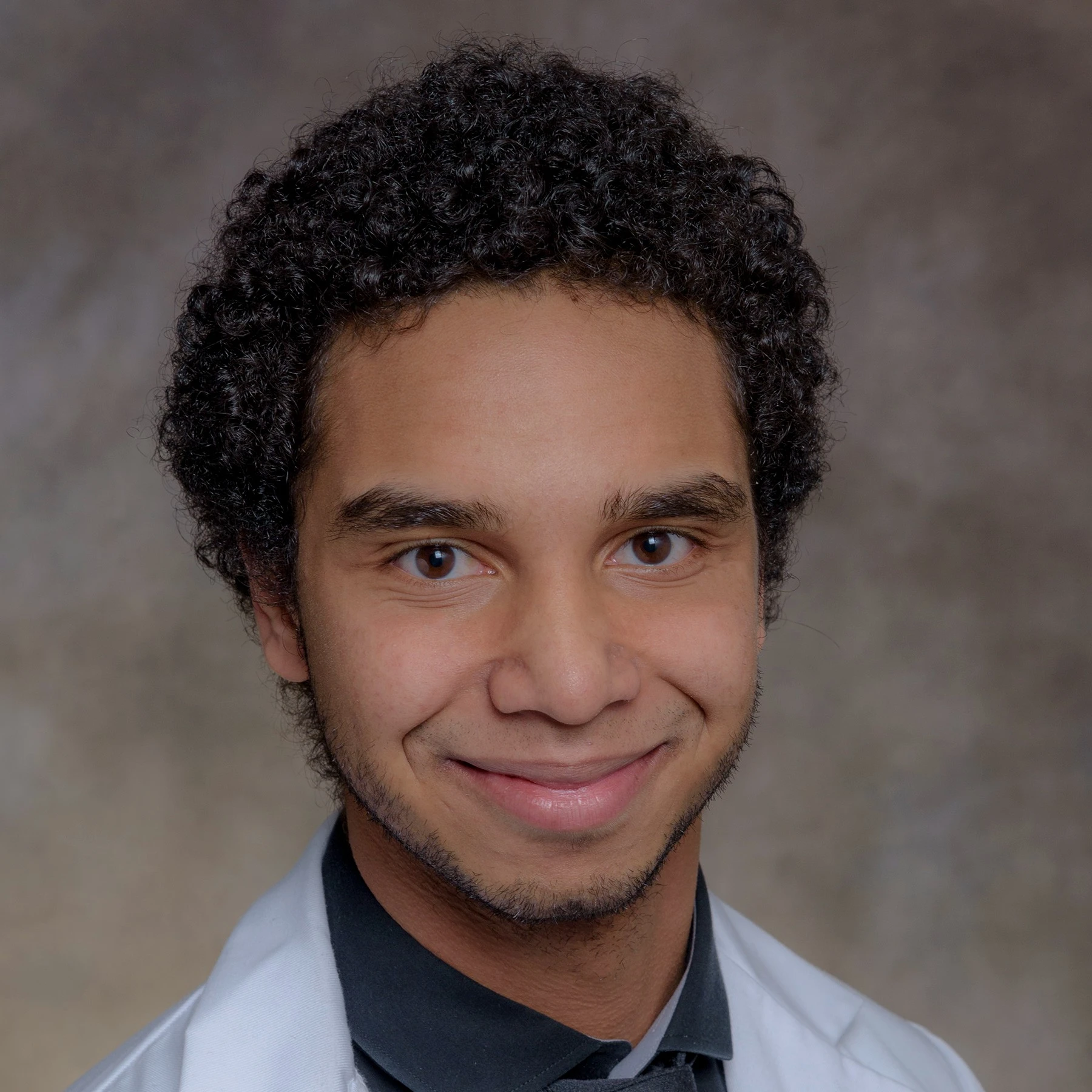
Alden D'Souza, MD, MPHS - Washington University in St. Louis School of Medicine, St Louis, MO
A. D'Souza1, J. P. Schiff2, D. Hong1, R. Mueller1, F. Forghani1, T. R. Mazur1, M. R. Waters1, A. K. Bhatt1, R. Beckert1, G. R. Vlacich1, E. Laugeman1, C. G. Robinson1, and P. Samson1; 1WashU Medicine, Department of Radiation Oncology, St. Louis, MO, 2Department of Radiation Oncology, Keck School of Medicine, University of Southern California, Los Angeles, CA
Purpose/Objective(s):
Stereotactic body radiotherapy (SBRT) is an established treatment for early-stage non-small cell lung cancer (NSCLC) and oligometastatic pulmonary lesions, with single fraction regimens showing comparable adverse events and survival. We developed ONE STOP, a workflow that consolidates consultation, planning, imaging, adaptive planning and treatment into a single visit, enabling same-day, single-fraction SBRT delivery.Materials/Methods:
We performed a single-arm feasibility study of a direct-to-unit workflow of single fraction SBRT (25-34 Gy/1 fraction) for patients with small (5 cm), peripheral ( 2cm from proximal bronchial tree) stage I-IIA NSCLC or pulmonary oligometastases. Base plans were created using diagnostic imaging within the CBCT-guided adaptive system treatment planning system prior to consultation and then adapted on same-day 60-second advanced CBCT imaging. Primary endpoint was feasibility, pre-defined as treatment delivery in 70% of patients using the study workflow in one on-table attempt; secondary endpoints included time metrics (e.g. check-in to treatment completion), acute and 90-day CTCAE v5.0 adverse events, and 90-day local control per RECIST 1.1.Results:
Ten patients were consented; nine had primary NSCLC, one had a pulmonary metastasis. Eight successfully completed treatment. Mean age was 72 years (SD: 11). Two patients could not be treated due to high tumor motion or inability to maintain controlled breathing in setting of baseline COPD. All plans adhered to protocol requirements with plan quality comparable to simulation-based SBRT workflows. No G3+ adverse events occurred. Six patients experienced possible or probable acute G1/2 adverse events, primarily musculoskeletal. Of the two G2 events, both were musculoskeletal arm pain due to treatment positioning. Average time from arriving at treatment room to completion of treatment was 51 minutes (SD: 6). All patients had stable or improved radiographic findings at 90 days.Conclusion:
Same-day, single-fraction SBRT is achievable with the ONE STOP workflow, without undue acute adverse events or decrease in 3-month local control rates. The ONE STOP workflow can increase access to care for patients travelling long distances or facing the financial toxicity of a multiple day workflow. Larger studies with long-term follow-up are needed to confirm durability of our reported outcomes.